Northern New Jersey winters are hard on cars. They are especially hard on European cars.
Between the road salt, the freeze-thaw cycles, and the potholes that seem to multiply overnight on Bloomfield Avenue, your BMW, Mercedes, Audi, or Volvo has been through a lot since November. Now that spring is here, it is time to give your car the attention it needs before small winter damage turns into expensive summer repairs.
Here is what we check on every European vehicle that comes through our shop this time of year — and what you should be thinking about for yours.
Post-Winter Underbody and Salt Damage Inspection
This is the one most people skip, and it is arguably the most important.
New Jersey DOT applies over 300,000 tons of road salt every winter. That salt does not just sit on the road surface — it coats your undercarriage, your brake lines, your exhaust components, and every exposed metal surface underneath your car. European vehicles, with their aluminum and alloy components, can be particularly susceptible to corrosion from salt exposure.
What we look for:
- Brake line corrosion — Salt accelerates rust on steel brake lines. A corroded brake line is not something you want to discover at 60 mph on the Garden State Parkway.
- Exhaust system damage — Hangers rust, flanges corrode, and small holes can become big problems. If you have noticed your car sounding louder lately, this might be why.
- Subframe and suspension mounting points — Especially critical on older BMWs and Audis where aluminum meets steel. Galvanic corrosion from salt exposure can weaken these connections over time.
- Undercoating integrity — If your car has factory undercoating, winter is when it takes the most abuse. Spring is when you find out where it failed.
A professional underbody inspection takes 15 minutes and can save thousands in unexpected repairs down the road. This is especially true for vehicles over five years old that have endured multiple NJ winters.
Suspension and Alignment Check After Pothole Season
If you drive anywhere in Essex County between March and May, you know what we are talking about. NJDOT reported repairing over 89,000 potholes last year alone — and that is just the ones they got to.
European cars ride on precisely tuned suspension systems. Your BMW’s adaptive dampers, your Mercedes’ AIRMATIC air suspension, your Audi’s multi-link rear setup — these systems are engineered to tight tolerances. One bad pothole hit can throw off your alignment, damage a control arm bushing, or crack an alloy wheel without you immediately realizing it.
Signs you may have pothole damage:
- Steering wheel pulls to one side
- Uneven tire wear (check the inner edges — that is where alignment issues show first)
- New vibration at highway speeds
- Clunking noise over bumps that was not there before winter
- Your car feels “vague” or less precise in the steering
We see this every spring. A customer comes in thinking they need new tires, and the real issue is a bent control arm or a worn tie rod that happened three potholes ago on Valley Road. Getting an alignment check now — before you chew through a $300 set of tires — is just good math.
Brake Inspection: What Winter Really Does to European Braking Systems
European cars use different brake components than domestic vehicles. Most BMWs, Mercedes, and Audis use softer brake pad compounds and uncoated rotors that prioritize stopping performance over longevity. The trade-off is that they are more susceptible to corrosion during winter months, especially if the car sits for any period.
After a NJ winter, we commonly find:
- Surface rust on rotors — Normal after sitting, but excessive pitting requires resurfacing or replacement.
- Brake pad glazing — Salt spray and moisture can cause pads to harden and glaze over, reducing stopping power and causing squealing.
- Caliper slide pin seizure — Salt corrodes the caliper pins, causing uneven pad wear and reduced braking effectiveness. We see this frequently on Volvos and older Mercedes models.
- ABS sensor contamination — Road grime and salt buildup on wheel speed sensors can trigger warning lights. Sometimes a good cleaning is all that is needed.
If your brake pedal feels different than it did last fall — mushier, less responsive, or if you hear grinding or squealing — do not wait on this one. Brake issues only get more expensive with time.
Tire Assessment and Spring Swap
If you run winter tires on your European car (and in Northern NJ, you should), mid-April is when you want to make the switch back to your all-seasons or summer tires. Running winter tires in warm weather wears them out fast and actually reduces your handling and braking performance once temperatures consistently stay above 45 degrees.
When we swap tires, we also check:
- Tread depth on your summer set — Did you put them away borderline last fall? Time to be honest about whether they have another season in them.
- Sidewall condition — Curb rash, cracking, or bulges from pothole impacts.
- Tire pressure sensor batteries — TPMS sensors have finite battery life. If your tire pressure light has been flickering, spring swap time is ideal to replace sensors while the wheels are already off.
- Wheel condition — NJ potholes crack alloy wheels. We check every wheel during tire service because a hairline crack can become a blowout.
If you are still on your all-seasons, we still recommend a tire inspection after winter. Tread wear, pressure, and wheel integrity all matter more than most people realize.
Fluid Check and Spring Service for European Cars
Your car’s fluids have been working hard all winter. Cold temperatures thicken oil, stress coolant, and degrade wiper fluid. Spring is when we recommend checking or replacing:
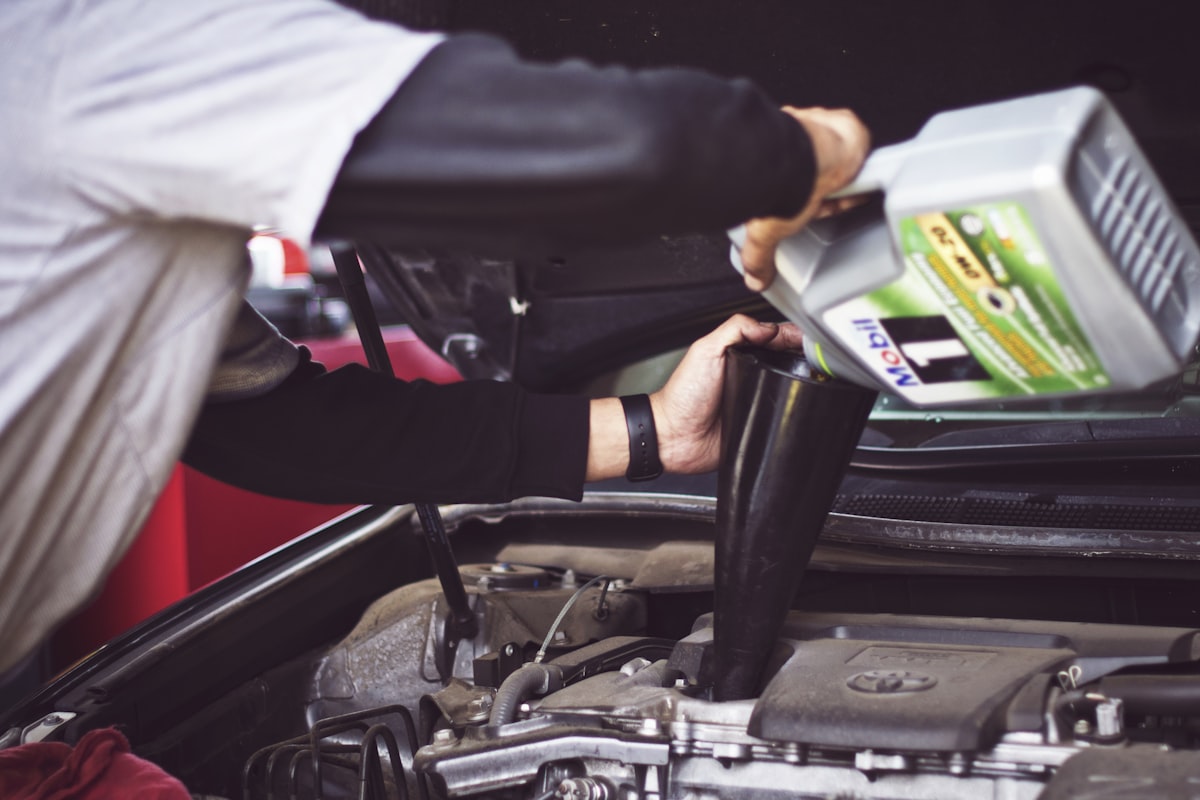
- Engine oil — If you are due or close to due, do it now. Winter driving (short trips, cold starts, idle time) is the hardest on engine oil. BMWs with their long oil change intervals are especially important to check — “long life” does not mean “infinite life.”
- Coolant — Winter coolant stress includes freeze protection and heater core circulation. Spring is when weakened coolant shows itself through overheating. European cars use specific coolant formulations (G12, G13 for VW/Audi, for example) — mixing types causes problems.
- Brake fluid — Hygroscopic by nature, brake fluid absorbs moisture over time. NJ’s humid winters accelerate this. Moisture-contaminated brake fluid has a lower boiling point, which means reduced braking performance when you need it most.
- Washer fluid — Switch from winter-rated to a good bug-and-pollen formula. With NJ pollen season about to hit, you will go through washer fluid faster than you expect.
A comprehensive fluid inspection is part of every spring service we do. It takes 20 minutes and tells us a lot about how your car weathered the winter.
Cabin Air Filter and Pollen Prep
This one is simple but makes a real difference in your daily driving comfort.
If you have driven through a NJ spring, you know about the pollen. Every horizontal surface turns yellow-green for weeks. Your cabin air filter is what stands between that pollen and your lungs while you are driving. After a winter of road dust, salt particles, and general grime, most cabin filters are ready for replacement.
European cars tend to use larger, higher-quality cabin filters than domestic vehicles — they also tend to be more expensive and slightly more involved to replace. On some Mercedes and BMW models, the filter is behind the glove box or under the cowl panel. It is worth doing, though. A fresh cabin filter improves your HVAC airflow, reduces allergens, and eliminates that musty smell that creeps in after winter.
Battery Health Check
If your car struggled to start during January’s cold snaps, your battery was telling you something. Batteries that barely survived winter often fail in early summer when heat stress finishes what cold stress started.
European cars are particularly dependent on battery health because they run more electrical systems than the average vehicle — from adaptive headlights to seat memory modules to multiple computer systems that draw small amounts of power even when parked. A weak battery does not just mean a no-start condition. It can trigger cascading electrical faults, warning lights, and system resets that cost far more to diagnose than a battery replacement would have.
We load-test batteries as part of every spring inspection. If yours tests borderline, better to know now than to find out in a parking lot.
Why Spring Service Matters More for European Cars
Here is the honest answer: European vehicles are engineered to tighter tolerances than most domestic cars. That precision is what makes them drive the way they do — the steering feel of a BMW, the ride quality of a Mercedes, the grip of an Audi quattro system. But tighter tolerances also mean less margin for neglect.
A domestic truck might tolerate a slightly bent control arm for 20,000 miles. A BMW 3 Series will eat through a set of tires in 5,000 miles with the same issue. An ignored coolant leak on a Toyota might weep for a year. The same leak on an Audi can warp an aluminum head in a single overheat event.
This is not a knock on European engineering. It is the trade-off for driving a car that performs the way yours does. The maintenance schedule exists for a reason, and spring — after the hardest season your car faces in Northern NJ — is when that maintenance matters most.
Schedule Your Spring Check
We have been doing this for over 45 years at the same location on Bellevue Avenue in Upper Montclair. Every spring, we see the same patterns: salt damage that could have been caught early, alignment issues from February potholes, batteries that lasted just long enough to fail on the first hot day.
If your European car has not been looked at since last fall, now is the time. A thorough spring inspection covers everything on this list and usually takes about an hour. We will tell you what needs attention now, what can wait, and what is fine — straight talk, no surprises.
Give us a call at (973) 746-1010 or stop by the shop at 207 Bellevue Ave, Upper Montclair. We are here Monday through Friday, 8 to 5.
Your car got you through another NJ winter. Return the favor.