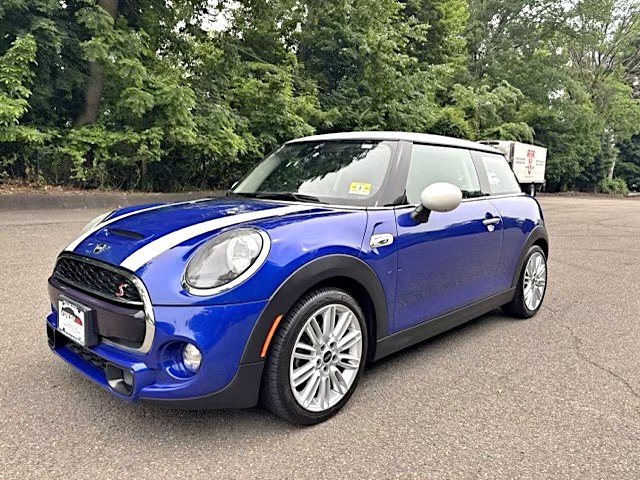
Mini Coopers are some of the most enjoyable cars on the road. They handle like go-karts, look like nothing else in the parking lot, and inspire a kind of loyalty that few other brands can match. But they are also European cars built on BMW underpinnings, which means they come with their own set of common issues that every owner should understand.
Timing Chain and Tensioner Failure
This is one of the most common and costly problems on second-generation Mini Coopers (2007 to 2013 models with the N14 and N18 engines). The timing chain stretches over time, and the plastic chain guides and tensioner wear out. When they fail, the chain can skip or break, which destroys the engine.
Warning signs: A rattling noise from the front of the engine at startup, especially when cold. A check engine light with codes related to timing (P0016, P0017). Rough idle that smooths out once the car is warm.
What it costs: Costs vary by shop and the extent of damage. Ask your shop for a quote based on your specific engine.
When to act: If you hear a rattle at startup, do not wait. Timing chain failure can happen quickly once the symptoms appear, and the cost goes from a chain replacement to an engine replacement.
Thermostat and Cooling System Issues
Mini Coopers use an electronically controlled thermostat housed in a plastic assembly that cracks over time. Heat cycles cause the plastic to fail, leading to coolant leaks.
Warning signs: Low coolant warning light. Visible coolant puddle under the car (usually greenish or pinkish fluid). Temperature gauge reading higher than normal, especially in traffic. A coolant system check should be part of your fall and winter prep routine.
What it costs: The part itself is relatively inexpensive, but labor to access it on the N14/N18 engine takes time. Ask your shop for a quote.
When to act: At the first sign of a coolant leak. Running a Mini Cooper with low coolant, even briefly, can warp the cylinder head, which turns a moderate repair into a major one.
Electric Power Steering Pump Failure
The electric power steering pump on 2002 to 2006 first-generation Minis is a known weak point. The pump motor fails, leaving you with very heavy steering. It is technically drivable, but difficult and potentially unsafe.
Warning signs: Steering suddenly becomes very heavy, especially at low speed or when parking. A power steering warning light on the dashboard.
What it costs: The pump assembly is the expensive part. Ask your shop for a quote specific to your model year.
When to act: This is a safety issue. If the steering is heavy, get it checked before your next drive. The pump can fail intermittently at first, then permanently.
Clutch Failure (Manual Transmission)
Many Mini owners choose the manual transmission for the driving experience. The clutch on Minis, especially the Cooper S with its turbo torque, tends to wear faster than average. Hard driving accelerates this significantly.
Warning signs: Clutch pedal feels different (higher engagement point than usual). The engine revs climb but the car does not accelerate proportionally (slipping). A burning smell after spirited driving or hill starts.
What it costs: A clutch kit replacement includes the disc, pressure plate, throwout bearing, and often the dual-mass flywheel. Ask your shop for a quote.
When to act: Once the clutch starts slipping, it will only get worse. Plan the replacement before the clutch fails completely and leaves you stranded.
Carbon Buildup on Direct Injection Engines
All turbocharged Minis (Cooper S and JCW models) use direct injection, which means fuel is sprayed directly into the combustion chamber rather than over the intake valves. Without fuel washing over the valves, carbon deposits build up and restrict airflow.
Warning signs: Gradual loss of power that you might not notice day to day. Rough idle. Misfires at cold startup. Reduced fuel economy.
What it costs: Walnut shell blasting is the standard cleaning method. This is a maintenance item, not a one-time repair. Plan on it every 40,000 to 60,000 miles on turbocharged direct-injection engines. Ask your shop for current pricing.
When to act: If you notice rough idle or misfires, carbon buildup is a likely culprit on any Mini with over 40,000 miles.
Noticing any of these symptoms in your Mini? Call Foreign Aid Auto at 973-746-1010 to schedule a diagnostic appointment.
Oil Leaks from the Valve Cover Gasket
Oil leaking from the valve cover gasket is common on most Mini Cooper engines. The gasket hardens from heat cycles and begins to seep oil, which can drip onto the exhaust and create a burning smell.
Warning signs: Burning oil smell, especially after parking on an incline. Visible oil on the top of the engine or running down the sides. Low oil level between changes.
What it costs: The gasket itself is inexpensive. Most of the cost is labor to access and clean the area. Ask your shop for a quote.
When to act: A small seep can wait until your next service. A drip that leaves spots on your driveway should be addressed soon. Oil on hot exhaust components is a fire risk.
Common Mini Cooper Problems at a Glance
| Problem | Models Affected | Warning Signs | Urgency |
|---|---|---|---|
| Timing chain/tensioner failure | 2007-2013 (N14, N18) | Rattle at cold startup, P0016/P0017 codes | High: engine damage risk |
| Thermostat/cooling system | N14, N18 engines | Low coolant light, puddle under car | High: head warp risk |
| Power steering pump | 2002-2006 (first gen) | Heavy steering, warning light | High: safety issue |
| Clutch wear | Cooper S (manual) | High engagement point, slipping, burning smell | Moderate: plan replacement |
| Carbon buildup | All turbo (Cooper S, JCW) | Rough idle, misfires, power loss | Moderate: maintenance item |
| Valve cover gasket leak | Most Mini engines | Burning oil smell, oil on engine | Low to moderate: fire risk if dripping on exhaust |
Choosing the Right Shop for Your Mini
The key to Mini Cooper ownership is choosing a shop that specializes in European cars and has experience with Mini Coopers specifically. Generic shops may not have the diagnostic software or the knowledge of Mini-specific issues. An independent European car specialist uses the same diagnostic tools and follows the same parts specifications as the dealer network.
Schedule Your Mini Cooper Service in Upper Montclair
Foreign Aid Auto’s technicians work on all Mini Cooper models, from classic to current. Routine service, timing chain diagnosis, and everything in between starts with a Mini Cooper specialist who knows the platform. Every repair is backed by Foreign Aid Auto’s in-house one-year parts and labor warranty.
Foreign Aid Auto · 207 Bellevue Ave, Upper Montclair, NJ 07043 · 973-746-1010Frequently Asked Questions
What is the most common Mini Cooper problem?
One of the most common serious problems is timing chain and tensioner failure on 2007 to 2013 models with the N14 and N18 engines. The chain stretches and the plastic guides wear out, which can lead to engine damage if not addressed. A rattling noise at cold startup is the primary warning sign.
Is a Mini Cooper expensive to maintain?
Mini Coopers cost more to maintain than average cars because they are built on BMW platforms and require European-spec parts and specialized knowledge. An independent European car specialist uses the same diagnostic tools and parts specifications as the dealer network. Common services like oil changes, brake pads, and inspections are comparable to other European brands.
Can an independent shop work on a Mini Cooper?
Yes. Independent European car specialists use the same diagnostic tools and follow the same service specifications as Mini dealers. The key is choosing a shop that specializes in European cars and has specific experience with Mini Coopers, since Minis share many components with BMW but also have unique systems.
Enjoy This Article? You May Also Like:
- NJ state inspection: what gets checked and what doesn’t. Many Mini Cooper issues show up during inspection. Know what inspectors look for.
- BMW maintenance schedule: NJ owner’s guide. Oil service, brake fluid, and inspection intervals explained by mileage and model year.
- Spring car care checklist for European cars. What to check after winter: alignment, tire condition, fluid levels, and more.